
Which tiered payout systems are used in bitcoin gambling roulette?
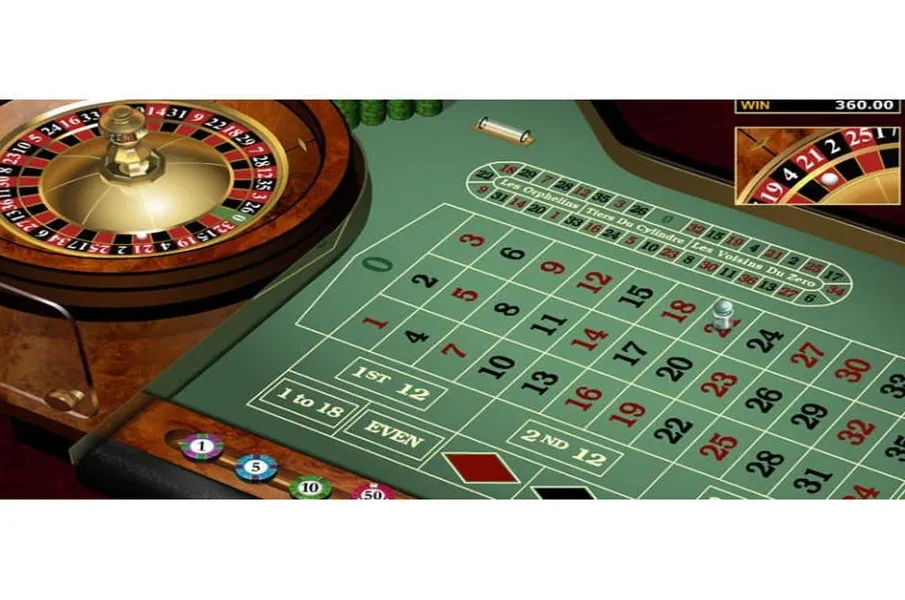
Payout structures across bitcoin casino roulette tables operate through tiered systems that assign different return multiples to different wagering categories. The category a wager falls into determines its payout rate, and those rates reflect the mathematical relationship between probability and return that governs every roulette outcome. For players building session activity around specific position types, knowing how each level is structured and what drives its payout multiple times clarifies the tradeoff between frequency of return and size of return across every spin on the table.
- Single number level – The innermost level covers straight-up single-number positions, which carry the highest payout multiple on the table at 35 to 1. A winning straight-up wager on a number returns 35 times the placed amount plus the original stake, making it the highest-return single position available on a standard roulette layout. The probability of hitting any single number on a European wheel sits at 1 in 37, meaning the house retains a margin between the true probability and the payout rate. Despite that gap, straight-up positions remain the most direct path to large single-spin returns, and players targeting net profit leaderboard events often concentrate activity here when session variance aligns with the competition timing.
- Inside position coverage – Split positions cover two adjacent numbers and pay at 17 to 1. Street wagers covering three numbers in a horizontal row pay 11 to 1. Corner positions covering four numbers in a square formation pay 8 to 1. Line wagers covering six numbers across two adjacent rows pay 5 to 1. Each step outward from the single number level reduces the payout multiple while increasing the number of outcomes that produce a return, creating a sliding scale between coverage and reward that players calibrate against their session objectives and risk tolerance.
- Column dozen wagers – Column and dozen wagers occupy the middle level, each covering twelve numbers and paying at 2 to 1. These positions cover roughly one-third of the wheel, excluding the zero pocket, producing returns at twice the wagered amount when a covered number hits. The balance between coverage and payout makes this level a strong choice for sustained session play where consistent return frequency matters more than maximum single-spin output across the competition window.
- Even money positions – Even-money positions form the outermost level, covering red or black, odd or even, and high or low. Each category covers eighteen numbers and pays at 1 to 1, returning the wagered amount as profit on a winning spin. The near-even probability makes this level the foundation of cumulative wagering leaderboard approaches, where total satoshis placed rather than return size determines competitive standing. On European wheel configurations, the La Partage rule applies a half-return on even-money positions when zero lands, reducing the effective house margin on this level specifically and making it the most player-favourable category on the table.
Zero-pocket wagers sit outside the standard structure entirely. Placing directly on zero pays at 35 to 1 on a straight-up basis, identical to any other single number, but the zero pocket carries distinct significance on tables where La Partage applies because it triggers the partial return mechanism rather than a standard loss on even-money positions when that specific outcome occurs.






-
Precisely What Are Betfair Exchange Games?
Betfair is most likely the biggest betting exchanges on the planet, furthermore ...